

Israel’s Encroachment in the Golan Heights Renewed Efforts to Cement Occupation
The Golan Heights, a geopolitically significant region spanning 1,800 square kilometers in southwestern Syria, remains a flashpoint in the ongoing Middle East conflict. This contested area, recognized internationally as Syrian territory, has been under Israeli occupation since 1967. Recent developments indicate renewed Israeli efforts to solidify its control over the region, raising critical questions about the legality and implications of these actions.
Geographical and Strategic Importance
The Golan Heights lie approximately 60 kilometers south of Damascus, bordered by the Yarmouk River in the south and the Sea of Galilee in the west. The area is characterized by fertile land, basaltic terrain, and crucial water resources that feed the Jordan and Hasbani rivers. These features make the Golan Heights not only a valuable agricultural zone but also a strategic water and defense asset in the region.
Historical Context: Occupation and Settlements
Israel occupied 1,200 square kilometers of the Golan Heights during the 1967 War. Soon after, it began constructing settlements in the area, despite international law deeming such actions illegal. Today, over 30 settlements house more than 25,000 Israeli settlers, and the Israeli government continues to expand these settlements.
Recently, the Israeli cabinet approved an $11 million plan to enhance services in existing settlements and attract more settlers, signaling an intent to further entrench its presence in the Golan. This expansion comes alongside frequent Israeli airstrikes on Syrian territory, justified under claims of "self-defense."
Impact on Indigenous Communities
The occupation has profoundly affected the indigenous Druze community, an ethnoreligious group with a significant presence in Syria, Lebanon, and Jordan. Of the approximately 20,000 Druze who remain in the Golan Heights, many have resisted Israeli efforts to assimilate them. The community continues to identify with Syria despite decades of occupation, and their numbers are a reminder of the human toll of the geopolitical struggle.
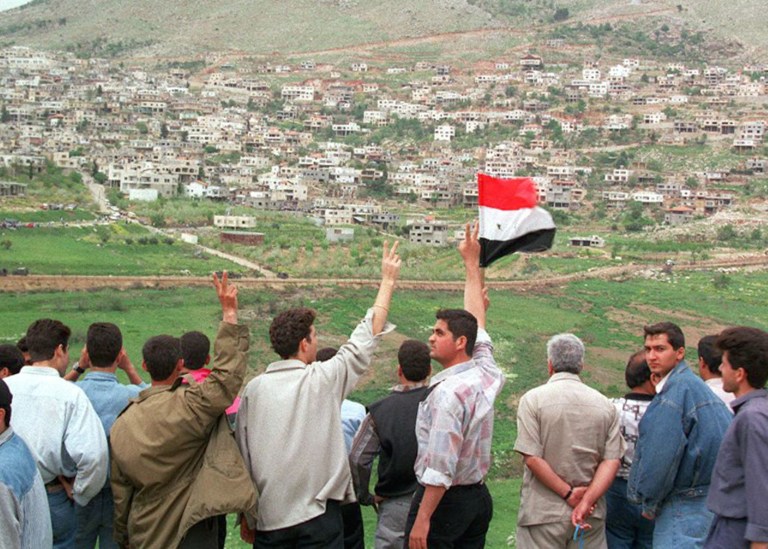
Efforts to Reclaim the Golan Heights
Syria has made attempts to reclaim the Golan Heights, most notably during the October War in 1973. Despite initial successes, Syrian forces were unable to regain control of the region. In 1974, the United Nations facilitated a ceasefire, establishing the UN Disengagement Observer Force (UNDOF) to maintain peace and monitor a buffer zone. Currently, over 1,200 UN personnel are deployed in the Golan Heights, underscoring the international community's continued concern over the occupation.
International Stance
The global consensus remains clear: Israel's occupation of the Golan Heights is illegal. The United Nations Security Council passed a resolution in 1981 declaring Israel's rule over the Golan "null and void and without international legal effect." However, in 2019, the United States broke ranks with the international community, formally recognizing Israel's sovereignty over the Golan Heights. This recognition, initiated by former President Donald Trump, has been upheld by the current administration.
- Israel’s ongoing settlement expansion and its military actions in the Golan Heights represent a serious violation of Syrian sovereignty and international law. The Golan Heights remain a contested territory with far-reaching implications for regional stability and the rights of its indigenous population. As the international community continues to debate the status of the region, the question persists: will Israel's actions in the Golan Heights further destabilize the region, or will renewed diplomatic efforts bring a peaceful resolution to this enduring conflict?
-
13:30
-
13:20
-
13:15
-
13:04
-
13:00
-
12:40
-
12:20
-
12:15
-
12:00
-
11:50
-
11:45
-
11:30
-
11:20
-
11:15
-
11:00
-
11:00
-
10:45
-
10:40
-
10:35
-
10:30
-
10:20
-
10:15
-
10:05
-
10:00
-
09:45
-
09:45
-
09:30
-
09:25
-
09:15
-
09:12
-
09:00
-
08:45
-
08:45
-
08:30
-
08:20
-
08:15
-
08:00
-
07:50
-
07:45
-
07:30
-
07:15
-
07:00
-
16:37
-
16:01
-
15:50
-
15:25
-
14:59
-
14:46
-
14:15
-
14:00
-
13:45
