

El Rocío: A vibrant blend of tradition, faith, and festivity in Andalusia
A pilgrimage like no other
In southern Spain’s Andalusia region, the El Rocío pilgrimage stands as a testament to the region’s unique blend of religious devotion and celebratory spirit. Known as "La Romería del Rocío," it is the largest and most famous pilgrimage in Andalusia, drawing close to a million participants annually.
Held during the weekend of Pentecost, fifty days after Easter Sunday, this centuries-old tradition honors the Virgin of El Rocío. Pilgrims from across Andalusia travel on foot, horseback, or in ornately decorated horse-drawn carriages to the small hamlet of El Rocío, located in Almonte, Huelva province, roughly 80 kilometers from Seville.
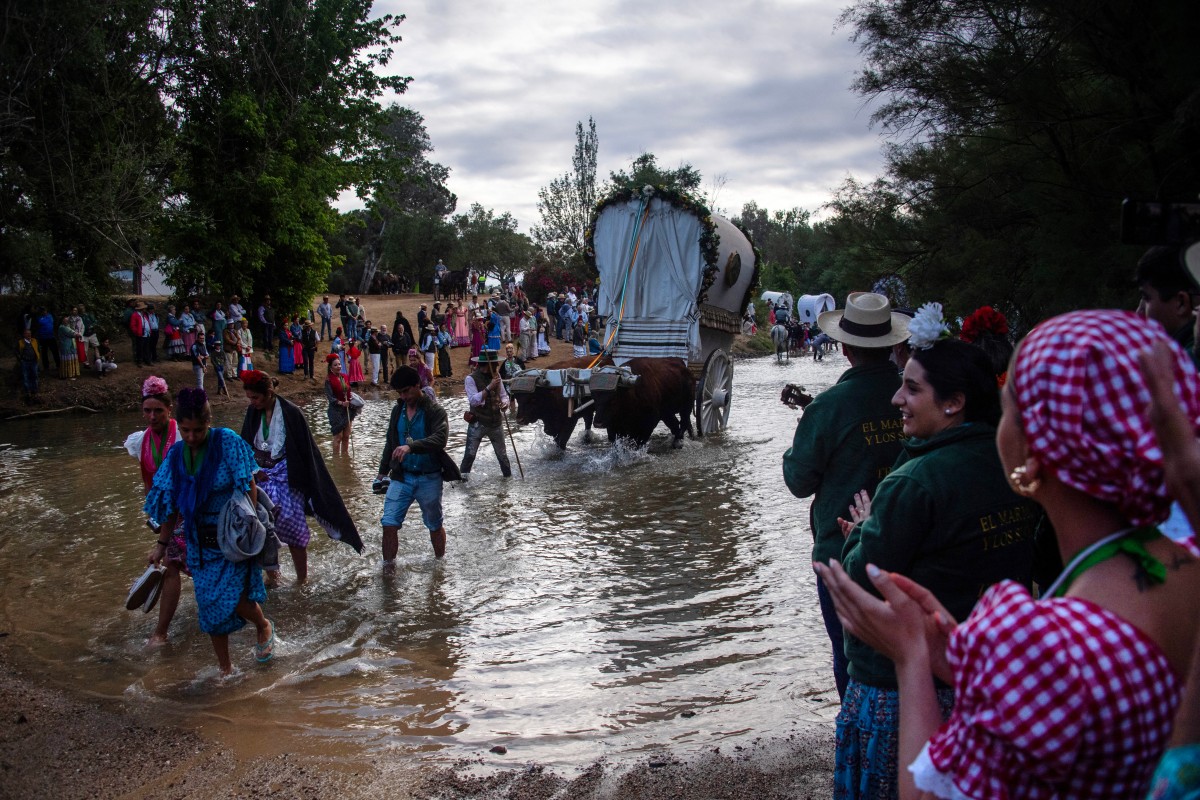
A journey steeped in heritage
The pilgrimage begins days before Pentecost as groups, or "hermandades" (brotherhoods), make the journey from cities like Huelva, Seville, and Cádiz. Along the way, they sing traditional flamenco songs and "coplas," creating a lively, communal atmosphere.
The length of the journey varies, with some brotherhoods taking up to ten days to reach El Rocío. For instance, the Brotherhood of Huelva completes the 61.5-kilometer trek in two days. The pilgrimage also sees the participation of up to 30,000 horses, although concerns have been raised over the years about animal welfare due to heat and exhaustion.
Nights along the route are marked by campfires, feasting, singing, and dancing, as pilgrims celebrate together under the Andalusian stars.
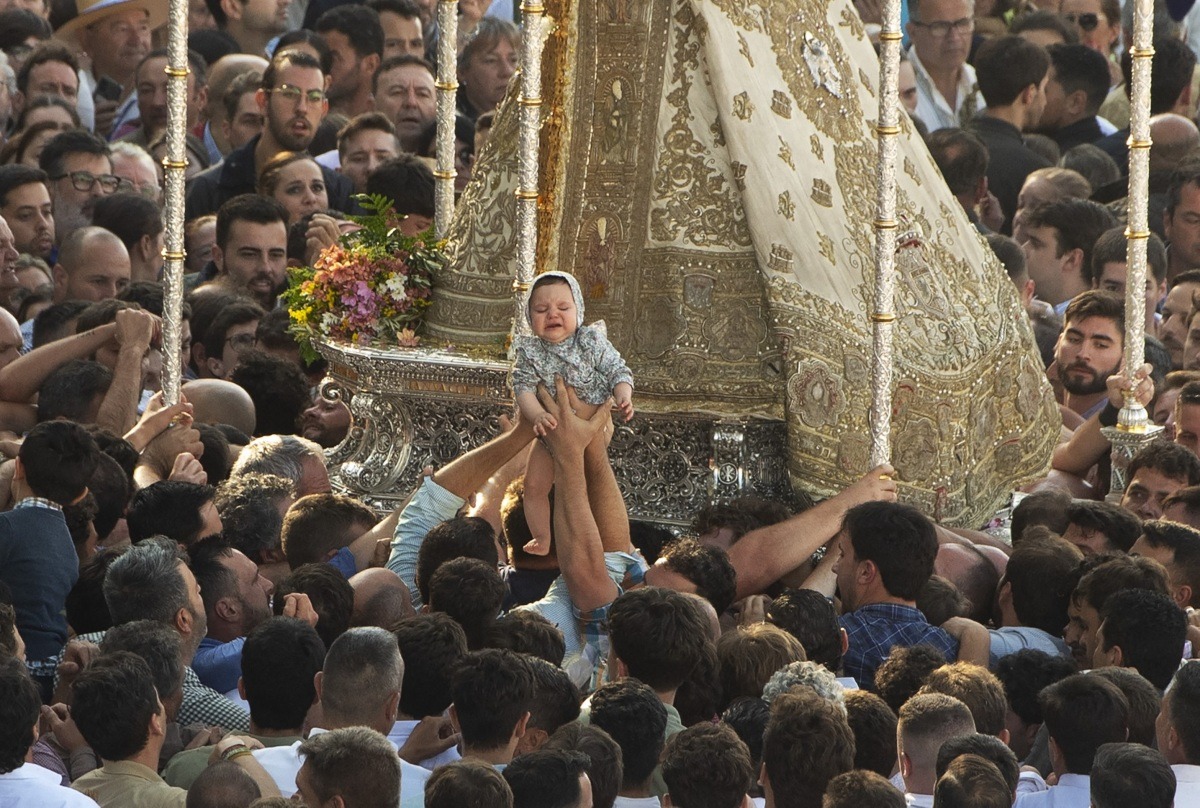
The climax of devotion
By Saturday, the brotherhoods converge in El Rocío for a grand procession to the shrine of the Virgin. However, the most fervent moment occurs early Monday morning, during the "salto de la reja" (jumping of the fence). At around 3 am, worshippers climb over the altar railings to reach the Virgin’s statue, which is then carried through the town in a breathtaking display of faith and passion.
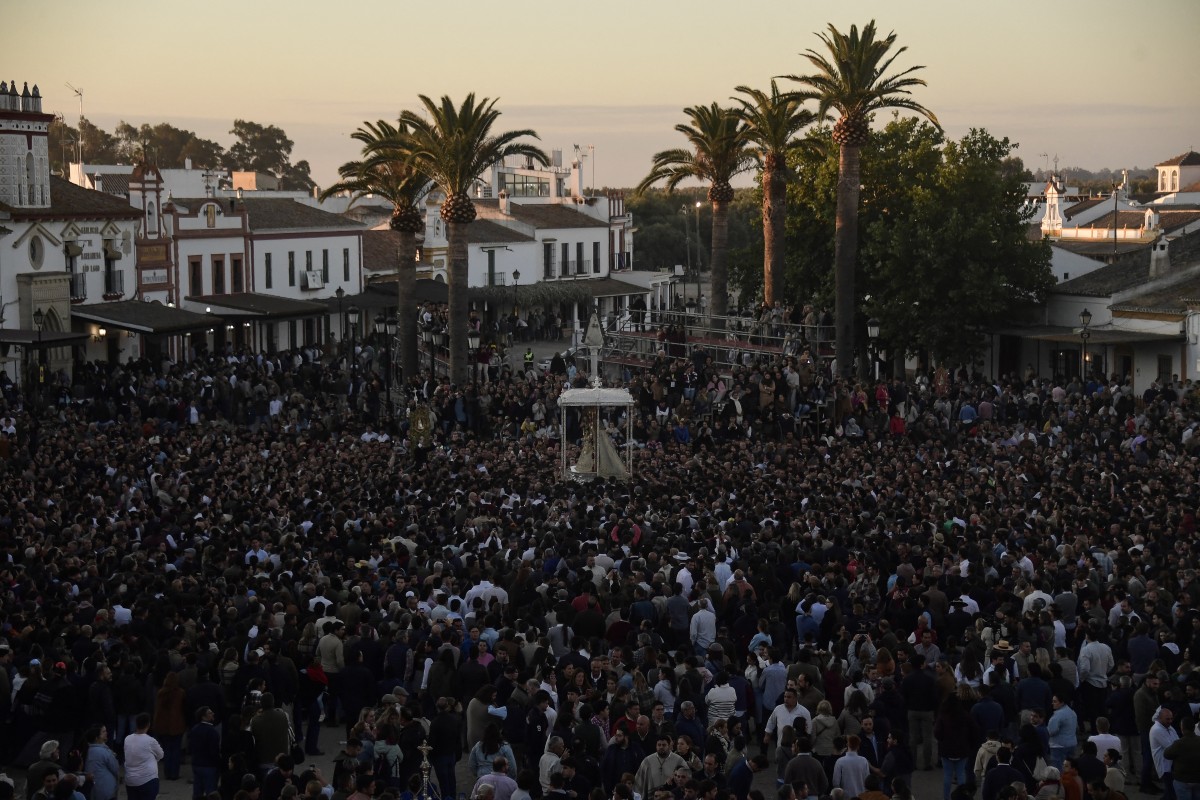
Dating back to the 17th century, the tradition originated after a local shepherd claimed to have seen the Virgin Mary appear over an olive tree in Almonte two centuries earlier.
Faith, culture, and Andalusia’s identity
Although Spain has become increasingly secular—only 55 percent of Spaniards now identify as Catholic, compared to 91 percent in 1978—cultural Catholicism remains deeply ingrained in Andalusia. Many Andalusians participate in Catholic rituals and festivals, such as Holy Week and El Rocío, as part of their cultural identity rather than strict religious practice.
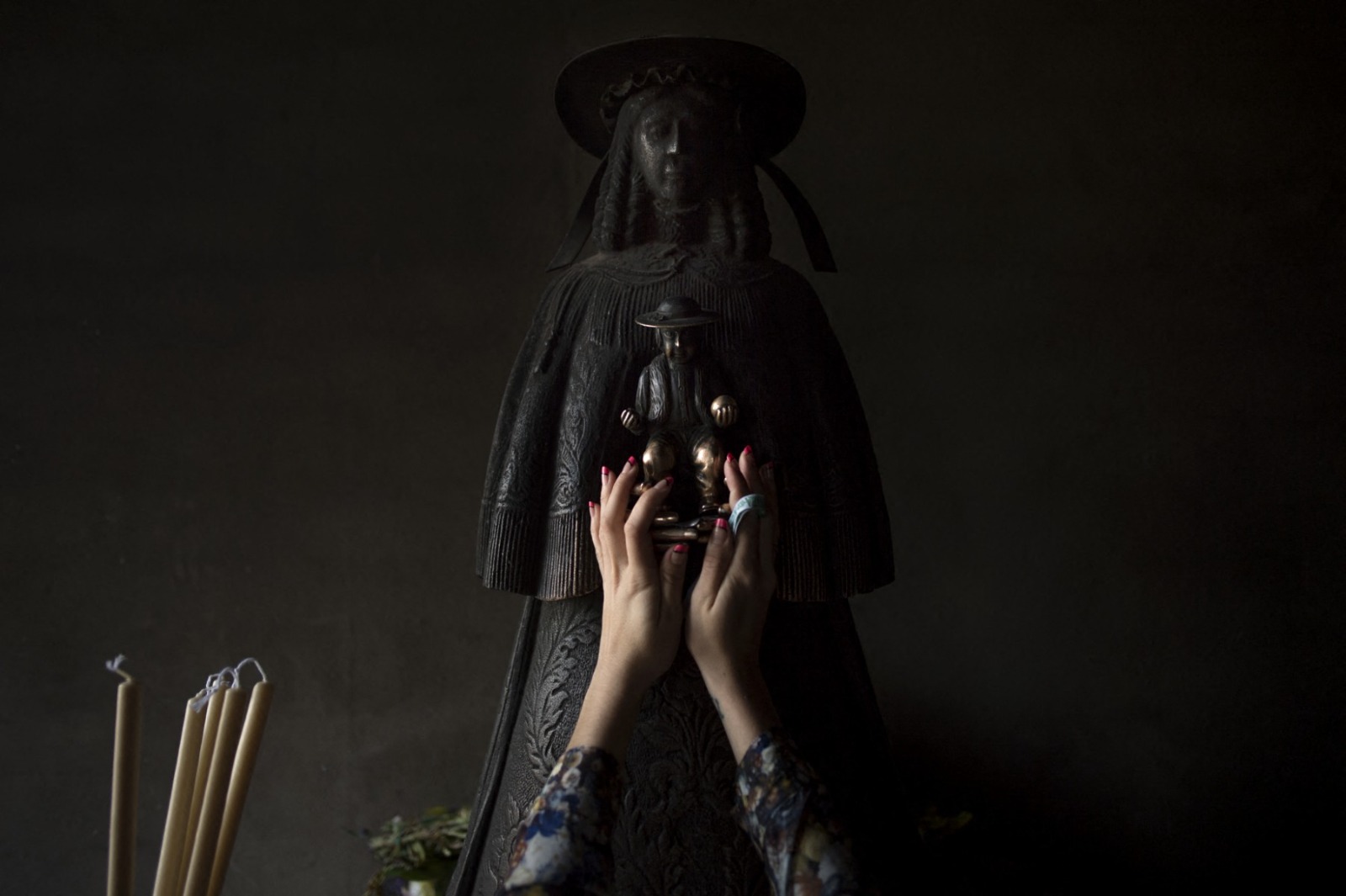
This fusion of faith, culture, and celebration gives El Rocío its distinctive character, where deep-rooted traditions and social festivities coexist, drawing millions to experience its magic year after year.
-
23:30
-
23:00
-
22:30
-
22:00
-
21:40
-
21:20
-
20:40
-
19:40
-
18:40
-
18:20
-
18:00
-
17:40
-
17:20
-
17:00
-
16:40
-
16:20
-
16:00
-
15:45
-
15:30
-
15:26
-
15:20
-
15:00
-
14:40
-
14:20
-
14:00
-
13:40
-
13:20
-
13:00
-
12:45
-
12:30
-
12:15
-
12:00
-
11:45
-
11:30
-
11:15
-
11:00
-
10:45
-
10:30
-
10:15
-
10:02
-
10:00
-
09:45
-
09:30
-
09:30
-
09:15
-
09:00
-
08:45
-
08:30
-
08:29
-
08:15
