

Moroccan women riders gain global spotlight in tbourida tradition
International attention has turned to Morocco after a photo series on female tbourida riders stood out at the World Press Photo Contest. The project, titled “Farīsāt: daughters of gunpowder,” by Italian photographer Chantal Pinzi, captures women performing the traditional equestrian discipline with rifles raised as they charge through dust clouds. The images present a contemporary reality rather than staged folklore, showing women actively shaping a practice long dominated by men.
Tbourida, also known as fantasia, dates back to the sixteenth century and is recognized by UNESCO as intangible cultural heritage. The discipline requires precise coordination, with groups of riders galloping in formation before firing simultaneously into the air. For generations, participation remained almost exclusively male, rooted in martial traditions passed across family and military structures. That pattern has shifted as women increasingly join teams and compete under the same technical and ceremonial standards.
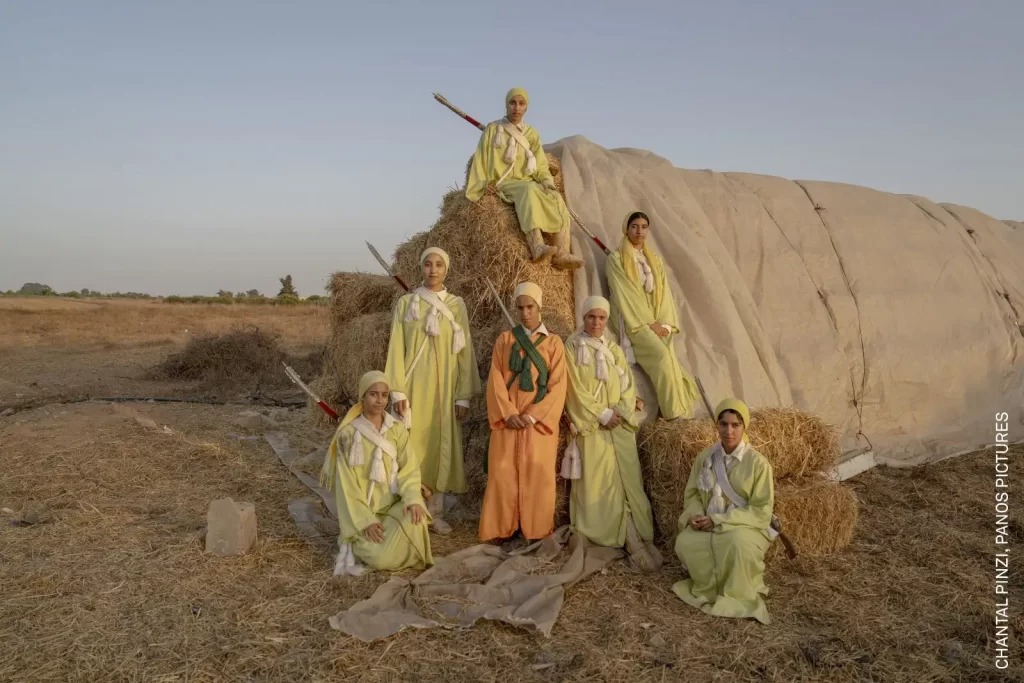
The work of Pinzi avoids romanticized portrayals. Her images focus on the tension between inherited ritual and evolving gender roles. The jury of the World Press Photo Contest noted that her approach frames sport as both a reflection of social inequality and a space for change. This perspective gives the series analytical depth and positions it within broader debates on tradition and modern identity in North Africa.
The recognition of “Farīsāt” comes amid a wider rise in documentary photography linked to Morocco. The country has gained visibility in international cultural events such as the Valencia Photo festival, while domestic initiatives continue to support emerging photographers. This momentum reflects ongoing social change, including shifts in public representation of women since reforms to family law in the early 2000s.
The riders portrayed in the series are trained athletes who meet the physical and technical demands of tbourida. Their participation alters public perception of the discipline and raises practical questions about access to training, funding, and infrastructure. National competitions, including the Hassan II Tbourida Trophy, have begun to integrate female teams more visibly, signaling institutional recognition of this shift.
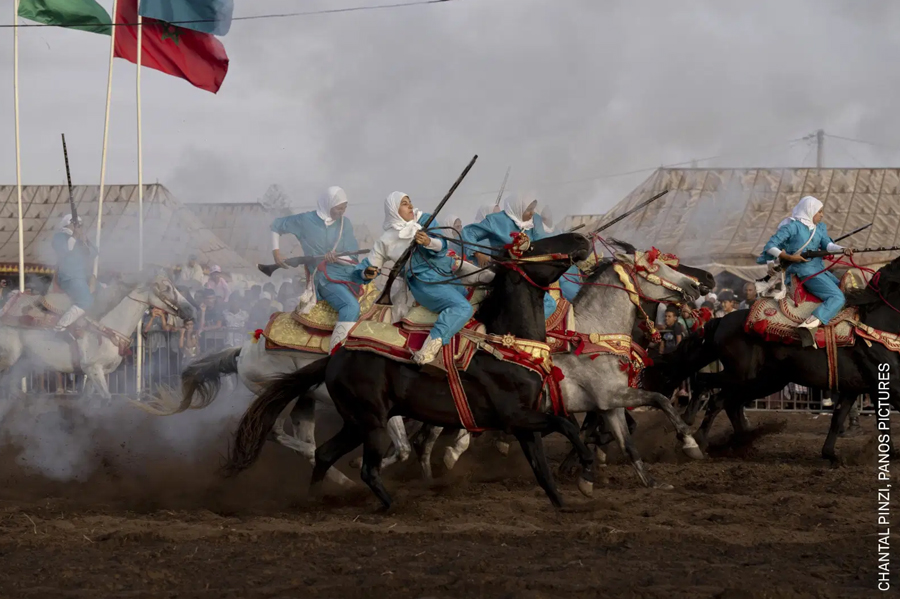
The emergence of women in tbourida does not replace tradition. It redefines who can claim it. Female riders adopt the same dress, discipline, and codes while asserting their place within the practice. The photographs capture this dual reality, where continuity and change coexist in a single moment of synchronized movement.
The award at the World Press Photo Contest marks a turning point in visibility. It highlights how social transformation can unfold within cultural arenas rather than formal political spaces. For Morocco, it reinforces an image of a society balancing heritage with evolving roles. For the riders, it signals growing international recognition of their presence and legitimacy.
-
21:00
-
20:00
-
19:00
-
18:22
-
18:00
-
17:39
-
17:30
-
17:00
-
16:56
-
16:30
-
16:15
-
16:00
-
15:45
-
15:30
-
15:15
-
15:00
-
14:45
-
14:30
-
14:00
-
13:32
-
13:00
-
12:40
-
12:20
-
12:05
-
11:50
-
11:35
-
11:20
-
11:05
-
11:01
-
10:50
-
10:35
-
10:24
-
10:11
-
09:53
-
09:45
-
09:30
-
09:28
-
09:19
-
09:15
-
09:15
-
09:03
-
09:00
-
08:55
-
08:51
-
08:46
-
08:42
-
08:37
-
08:36
-
08:36
-
08:25
-
08:09
-
08:07
-
08:05
-
22:00
