

Iran uprising death toll exceeds 3,000 amid internet blackout and crackdown
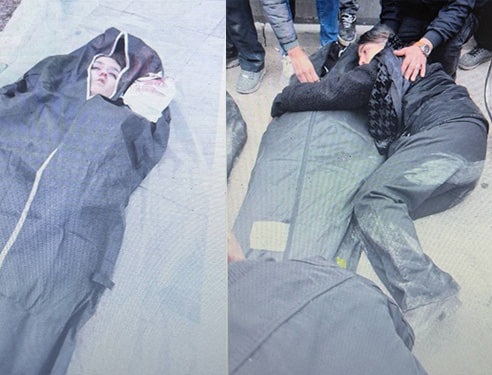
The People's Mojahedin Organization of Iran (PMOI/MEK) reported that more than 3,000 people have died during the nationwide uprising from December 28, 2025, to January 11, 2026. This tally comes from verified data gathered from local contacts, hospitals, forensic centers, and families in at least 195 cities across the country. State media has aired footage of some victims' bodies, wrongly blaming opposition groups and demonstrators for the deaths. Maryam Rajavi condemned the killings as a major crime against humanity.
Confirmed among the women killed are Akram Peargazi, Robina Aminian, Aida Heydari, and Zahra Bohlouli-pour. Aida Heydari, a 21-year-old student at Tehran University of Medical Sciences, fell to security forces' gunfire on January 8 at Sadeghieh Square in Tehran. Zahra Bohlouli-pour, 19, studying Italian at the University of Tehran, died from shots fired by regime forces that same day on Fatemi Street in Tehran.
On January 9, Supreme Leader Ali Khamenei branded protesters as saboteurs and mercenaries, vowing no retreat. This rhetoric, under international law, effectively authorized lethal force against civilians, pinning responsibility for the bloodshed on the regime's top echelon.
At the same time, Iran faced a nationwide internet shutdown, severing international connections as confirmed by technical analyses. Such blackouts, echoing the 2019 crackdown, serve as shields for repression, blocking evidence of violence from spreading. The cutoff also hampered medical aid for the wounded and updates for families of the detained, violating rights to life and inflicting collective psychological torment.
Judiciary directives for rapid prosecutions of protesters have sparked fears of rushed executions. Erfan Soltani, 26, arrested January 8 in Fardis near Karaj, reportedly faces execution on January 14 despite a sham trial devoid of due process.
Human rights tallies show at least 3,200 arrests in 80 cities from December 30, 2025, to January 9, 2026, including 59 minors, with estimates exceeding 10,000 detainees. Since January 9, prison phone lines nationwide have been severed, isolating inmates especially political prisoners from families.
The international community faces urgent calls to refer Iran's case to the UN Security Council, send fact-finding missions, ensure internet access, and pursue perpetrators via universal jurisdiction. On January 10 in Geneva, the UN Fact-Finding Mission decried the violence escalation, urging an end to suppression, restoration of communications, and respect for protest rights.
A partial list of detained women includes those from Isfahan, Amlash, Ilam, Bojnord, Tehran, Torbat-e Heydariyeh, Khorramabad, Rasht, Zanjan, Sabzevar, Sonqor, Qazvin, Gachsaran, Mashhad, Yasuj, and Yazd.
-
13:40
-
13:20
-
13:05
-
12:45
-
12:30
-
12:15
-
12:00
-
11:42
-
11:35
-
11:25
-
11:11
-
10:47
-
10:37
-
10:32
-
10:25
-
10:15
-
10:00
-
09:45
-
09:44
-
09:40
-
09:30
-
09:15
-
09:04
-
09:00
-
09:00
-
08:53
-
08:45
-
08:30
-
08:15
-
22:30
-
22:15
-
22:00
-
21:30
-
21:00
-
20:30
-
20:00
-
19:30
-
19:00
-
18:30
-
18:00
-
17:30
-
17:00
-
16:30
-
16:25
-
16:22
-
16:00
-
15:30
-
15:00
-
14:48
-
14:30
-
14:00
