

Commemorating the 2004 Indian Ocean tsunami: A tragic legacy and global reflection
Emotional ceremonies unfolded across Asia on December 26, 2024, marking the 20th anniversary of the deadliest tsunami in recorded history, a catastrophe that claimed over 220,000 lives across 14 countries the day after Christmas in 2004.
The disaster was triggered by a magnitude 9.1 earthquake off the western coast of Sumatra, Indonesia, which unleashed colossal waves traveling at speeds of up to 800 kilometers per hour and reaching heights of up to 30 meters. The impact devastated coastal communities across Indonesia, Sri Lanka, India, Thailand, and even as far as Somalia, leaving a trail of destruction and loss that remains etched in collective memory.
A day of solemn remembrance in Aceh
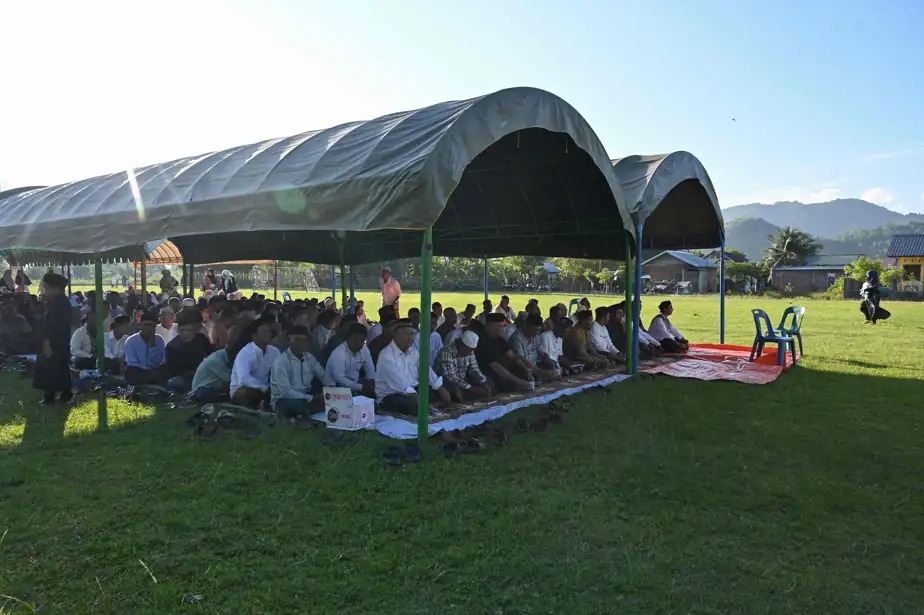
In Indonesia’s Aceh province, the region hardest hit by the tsunami, where approximately 100,000 people lost their lives, commemorations began with a poignant three-minute siren blast at the exact time the disaster struck. The iconic Baiturrahman Grand Mosque, which withstood the tsunami’s fury, hosted prayers and gatherings to honor the victims. In Banda Aceh, the provincial capital, survivors and mourners gathered at mass burial sites, dispersing flower petals and offering prayers for loved ones lost in the tragedy.
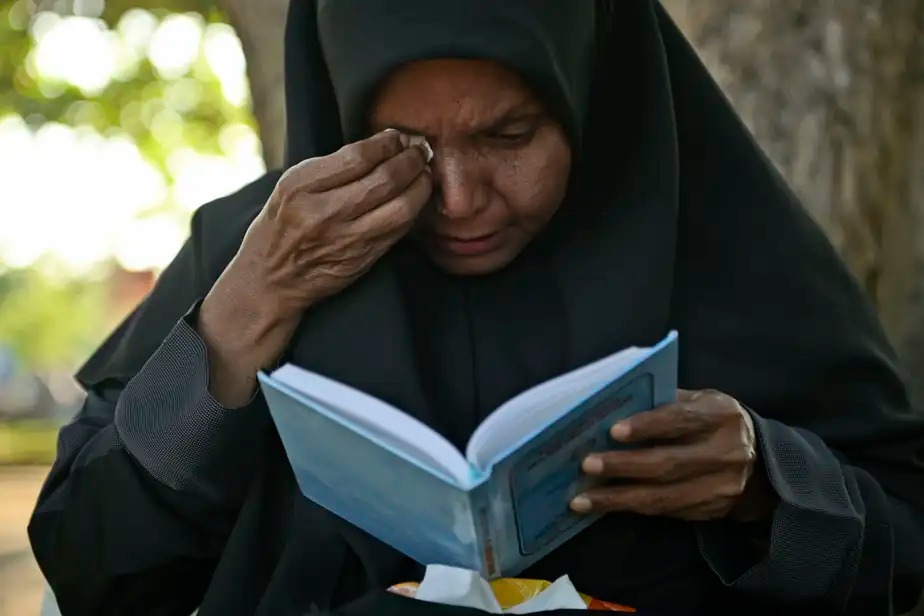
Hasnawati, a 54-year-old teacher who survived the tsunami, shared her memories of that fateful day. “It felt like the end of the world,” she said. “One Sunday morning, our family was laughing together, and then everything was gone. Words cannot describe it.”
Ceremonies across borders
The anniversary was observed in many other countries affected by the tsunami. In Sri Lanka, where over 35,000 lives were lost, survivors and families of victims boarded the "Ocean Queen Express," retracing the path of the train swept away by the waves in Peraliya, killing around 1,000 passengers. Religious ceremonies representing Buddhist, Hindu, Christian, and Muslim communities were held across the island, reflecting the shared grief and solidarity of a nation.
In Thailand, where over 5,000 people, half of them foreign tourists died, memorial events included an exhibition and a documentary screening in Phang Nga province. Government and United Nations officials addressed participants, emphasizing the importance of disaster preparedness. Meanwhile, communities along the African coast, including Somalia and the Maldives, also held smaller-scale memorials to honor their victims.
Lessons learned and technological advances
The 2004 tsunami exposed a critical lack of coordinated warning systems, which experts say exacerbated the scale of the disaster. In its aftermath, significant advancements have been made to prevent such tragedies from recurring. Today, over 1,400 tsunami detection stations worldwide enable faster alerts, often issued within minutes of seismic activity.
Scientists have calculated that the earthquake which triggered the tsunami released energy equivalent to 23,000 times the power of the atomic bomb dropped on Hiroshima. The sheer force of the event underscored the importance of global cooperation in disaster management and technological innovation.
Personal stories of loss and resilience
For many survivors, the anniversary is a time of both mourning and reflection. Marziani, an Indonesian teacher who lost her child in the tsunami, recalls the pain that haunted her for years. “I couldn’t stop crying. I felt guilty for not being able to protect my child. That guilt stayed with me for months,” she said.
Others, like Nilawati, a 60-year-old woman who lost both her son and mother, expressed a deep yearning for healing. “I hope we never experience anything like this again,” she said. “Losing a child is a pain beyond words, it feels like it happened just yesterday.”
A global tragedy remembered
The 2004 Indian Ocean tsunami remains a stark reminder of nature’s immense power and humanity’s vulnerability. Yet, it also highlights the resilience of survivors and the importance of learning from past disasters. As the world comes together to commemorate this tragedy, the echoes of loss and hope resonate, urging continued efforts to safeguard against future calamities.
This anniversary is not just a moment to mourn the lives lost but also an opportunity to honor the enduring spirit of those who survived and to reaffirm a global commitment to preparedness and resilience.
-
15:50
-
15:25
-
14:59
-
14:46
-
14:15
-
14:00
-
13:45
-
13:25
-
13:04
-
11:13
-
11:00
-
10:45
-
10:30
-
10:15
-
10:00
-
09:45
-
09:30
-
09:15
-
09:00
-
08:45
-
08:30
-
08:15
-
08:00
-
07:35
